



Consumer behavior in India has witnessed a lot of change in recent years. People find products on social media platforms, compare prices on e-commerce platforms, order groceries via fast commerce applications, and directly purchase goods through the brands’ websites.
All this is made possible due to the growing need for professionals in business, marketing, consumer behavior, and e-commerce.
This shift is creating exciting opportunities for students exploring e-commerce and D2C brand management careers. From fashion and beauty to food, electronics, and lifestyle products, companies need professionals who can connect customer expectations with business goals.
There are many career paths for students doing B.Com (Management Studies), previously known as Bachelor of Management Studies (BMS), and those who may think of doing their Master of Management Studies (MMS). The blend of commerce, management, and business knowledge can assist them in preparing for these careers.
Why Is India’s E-Commerce and D2C Industry Creating New Career Opportunities?
E-commerce businesses sell products through digital platforms, including online marketplaces and company websites. Direct-to-consumer (D2C) brands take this approach further by building direct relationships with customers through their own sales channels, although many also sell through marketplaces and physical stores.
As per the CIEL HR report, there was a 35% increase in the demand for talent in the e-commerce and quick-commerce industry in India during the period 2023 to 2025. While technology and operations have an important role in recruiting, the growth rate is indicative of the growing complexity of digital businesses.
However, while the use of technology and operations in recruitment is significant, it is the growth rate that highlights the increasing complexity of digital business.
Several developments are creating opportunities for management graduates:
- Growing online shopping: Brands require experts who have knowledge of digital sales, customer preferences, and product positioning.
- Increasing competition: Businesses need stronger branding, marketing campaigns, and customer retention strategies.
- Expansion of D2C brands: Emerging companies require teams that can manage sales, distribution, customer relationships, and profitability.
- Quick-commerce growth: New delivery systems will present operational, marketing, and promotion problems.
- Data-driven decisions: Businesses increasingly use sales reports and customer insights to improve performance.
These changes make e-commerce an attractive career direction for students interested in combining business fundamentals with modern management practices.
How Does B.Com. (Management Studies) Prepare Students for E-Commerce Careers?
This course offers students a basic understanding of commerce and management through B.Com. (Management Studies). It allows learners to understand how companies work, what makes people purchase products, and how various departments affect company performance. These fundamentals are relevant to e-commerce companies, where marketing, sales, finance, and operations work together.
1. Understanding Business and Consumer Behaviour
Students develop an understanding of business principles, market dynamics, and consumer needs. This knowledge can help them understand why customers choose one brand over another and how companies position their products.
2. Developing Marketing and Communication Skills
Brand management involves communication skills, understanding your audience, and being able to communicate the value of your product. These are skills that come in handy when managing marketing campaigns and promotions.
3. Building Analytical and Commercial Awareness
Commerce and management studies give individuals an idea of finances and performance in business. Such basics may assist them in comprehending figures related to sales, expenses, prices, and profitability.
Students can strengthen these capabilities through internships, projects, presentations, and exposure to digital business tools.
Why Does an MMS Degree Add Value to D2C Brand Management Careers?
While undergraduate management education builds foundational knowledge, an MMS programme offers an opportunity to develop deeper managerial, analytical, and strategic capabilities.
This broader viewpoint will help students learn how businesses go about planning their campaigns, managing their teams, allocating resources, and measuring performance. This broader viewpoint becomes important for e-commerce, since different decisions tend to be interdependent here.
An MMS programme with a Marketing specialisation may be particularly relevant for students interested in brand management and digital marketing. Other specialisations can also lead to opportunities in business operations, finance, analytics, and related functions.
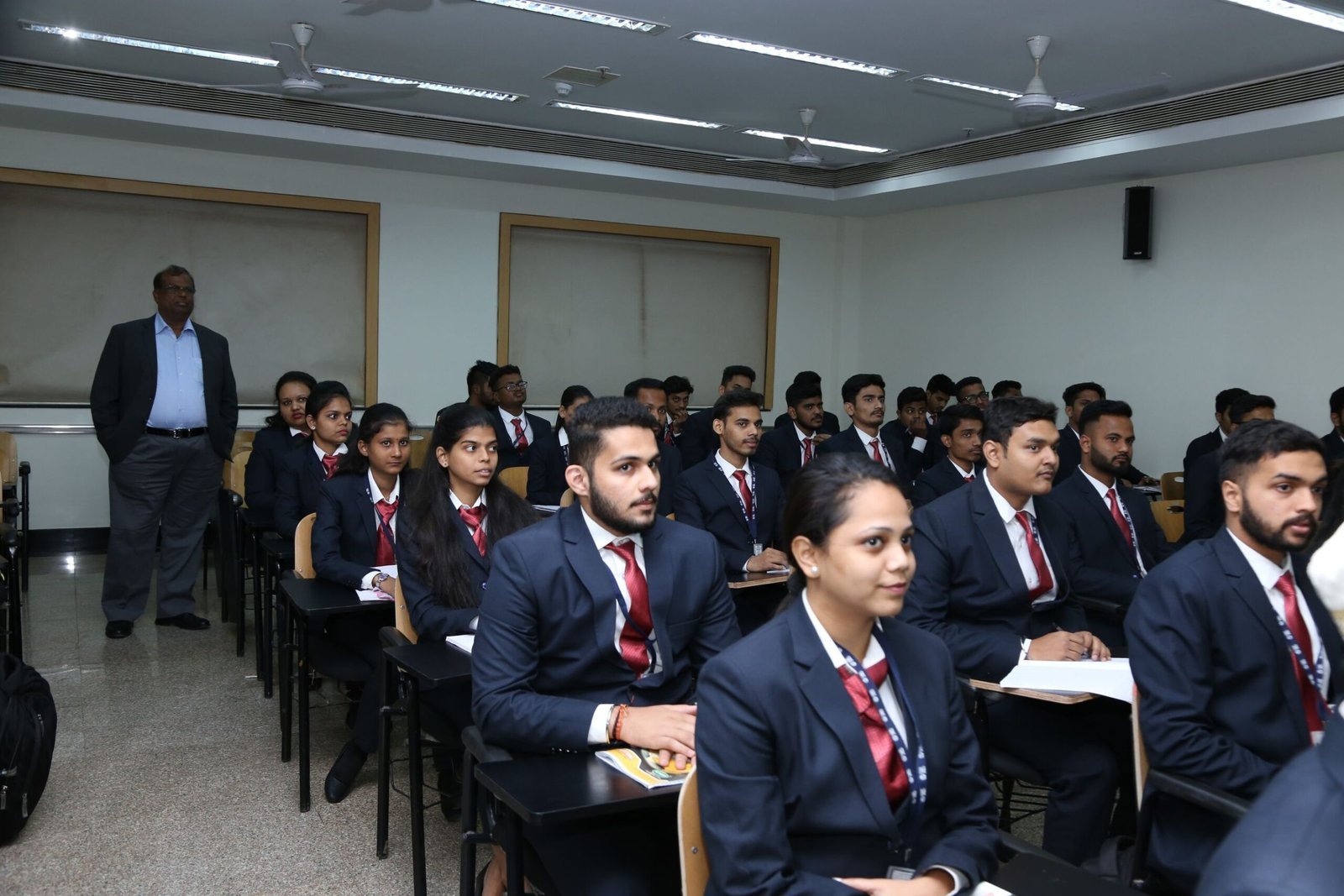
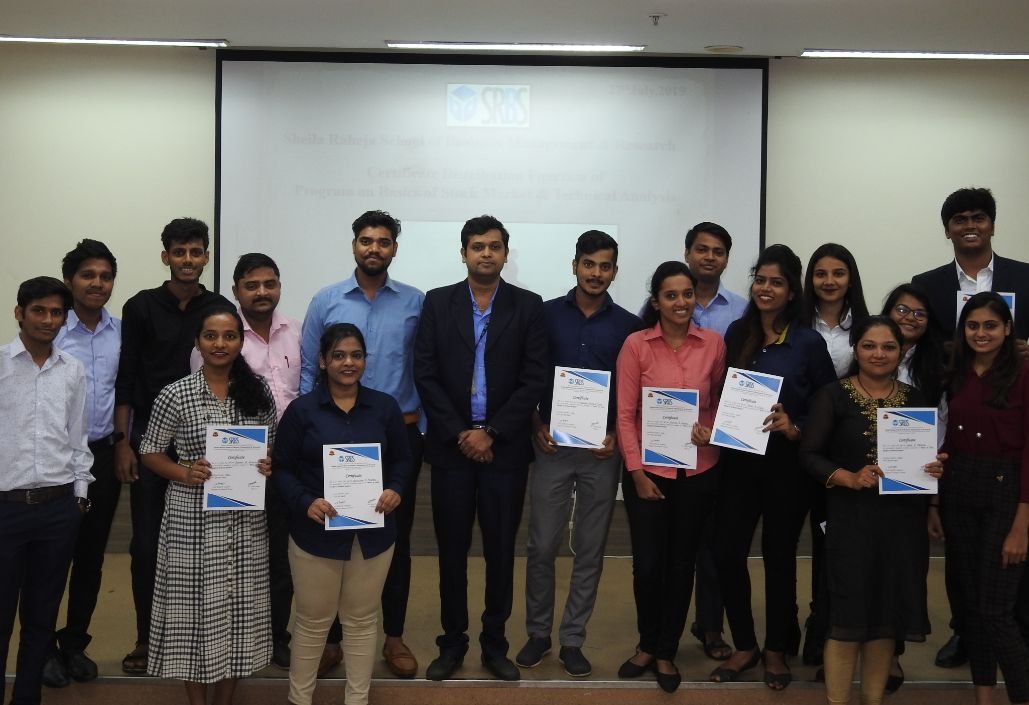
In the Sheila Raheja School of Business Management and Research (SRBS), MMS aspirants have the advantage of receiving management education that includes practice-based learning through case studies, presentations, projects, and more.
Top E-Commerce and D2C Brand Management Careers
Students with relevant qualifications and skills can explore different entry-level roles depending on their interests and experience.
1. Brand Management Executive
Professionals involved in brand management ensure that the identity and positioning of the brand are managed and communicated to the consumer.
Tasks may involve coordinating campaigns, brand performance monitoring, competitor analysis, and product launch support.
2. E-Commerce Executive
E-commerce management executives play a part in the management of the online sales channels of a brand. They may be required to update product listings, track sales figures, coordinate promotions, and keep product data up to date.
3. Digital Marketing Executive
Marketing specialists help acquire customers via search engines, social media, e-mail marketing, and advertisements.
They help track campaign performance and identify ways to improve engagement, website traffic, and conversions.
4. Marketplace Operations Executive
Such professionals organize various tasks at virtual markets. These could range from monitoring stock levels to managing the product catalogues and carrying out promotions.
5. Business Development Executive
Professionals working in business development roles are responsible for identifying growth opportunities, creating partnerships, and driving revenue generation.
With a direct-to-customer business model, they would be able to help with distribution alliances or sales channels.
6. Customer Insights or Marketing Analyst
Analytically minded students might opt for jobs that require market research, sales reports, marketing campaign analysis, and market trends.
These professionals assist companies in learning about the products their customers purchase, successful marketing campaigns, and areas that need improvement. Actual job titles, eligibility requirements, and responsibilities vary by employer. Senior brand management positions generally require relevant experience and demonstrated results.
What Skills Do Employers Look for in Management Graduates?
A degree provides the foundation, but employers also value candidates who can apply their knowledge to real business situations.
Students preparing for e-commerce and D2C brand management careers should focus on developing:
- Digital marketing fundamentals: Understanding search engine optimisation, paid campaigns, social media, and email marketing.
- Data interpretation: Working with spreadsheets, sales reports, campaign metrics, and basic analytics tools.
- Commercial understanding: Recognising the relationship between revenue, costs, pricing, and profitability.
- Communication and teamwork: Coordinating with marketing, sales, logistics, and product teams.
- Customer-centric thinking: Customer expectations, reactions, and purchasing behavior comprehension.
- Technology awareness: Becoming familiar with e-commerce platforms, customer relationship management systems, and artificial intelligence tools.
Internships, live projects, case studies, and personal portfolio projects can help students demonstrate these skills to potential employers.
How Can Students Prepare for E-Commerce Careers While Studying?
Students do not have to wait until graduation to begin preparing for these opportunities. A structured approach can help them connect classroom learning with industry expectations
Step 1: Choose a relevant management pathway. Build a strong foundation through B.Com. (Management Studies) and consider MMS for advanced management learning.
Step 2: Research digital commerce. Research brands using brand sites, marketplaces, and quick commerce.
Step 3: Apply knowledge through practical experience. Analyse an existing brand’s website, products, pricing, feedback from customers, and advertising campaigns.
Step 4: Practical experience. Seek internships, assignments in university or entry-level positions that have something to do with marketing and e-commerce.
Step 5: Make a portfolio. Produce examples of marketing campaign creation, competitor analysis, product information, or sales dashboards.
Final Thoughts
E-commerce and direct-to-consumer brand management jobs give management students a chance to engage in a fast-paced business world where consumer knowledge, technical abilities, and business acumen are important.
B.Com (Management Studies) program may serve as the starting point to enter this field, and an MMS can be beneficial for gaining additional expertise in management. Nevertheless, the future career will largely depend upon personal skills, experience, specialization, and the demands of the employer.
For students exploring management courses in Mumbai, choosing an institution that combines academic learning with practical exposure is an important step towards career readiness.
At Sheila Raheja School of Business Management & Research (SRBS), students can explore B.Com. (Management Studies) and MMS programmes as pathways towards a range of business and management careers.
Visit the official SRBS website to learn more about the programmes and admission requirements.