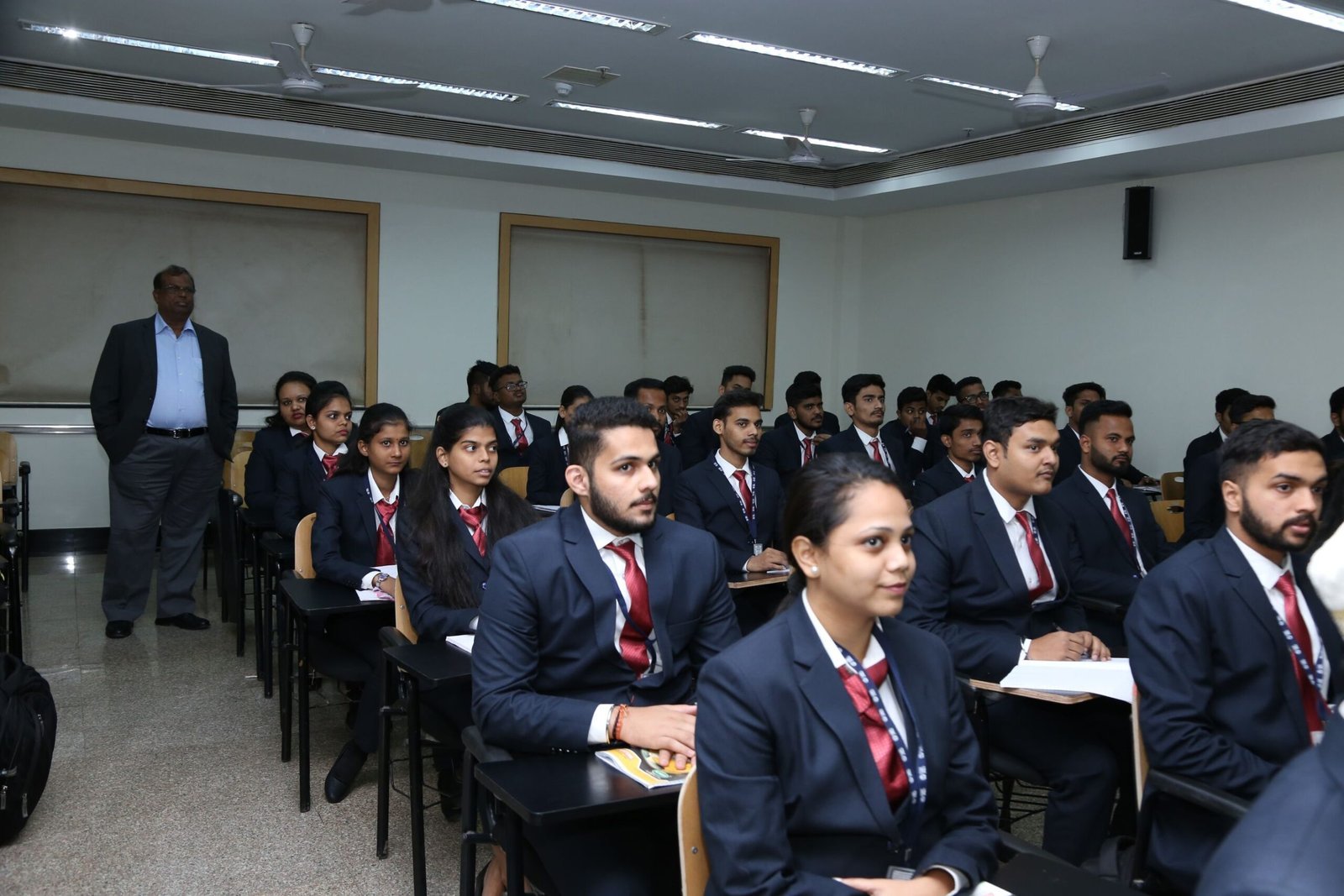






For many business students, college is not only a place to gain theoretical knowledge but also the most important phase for building a professional foundation. At Sheila Raheja School of Business Management & Research (SRBS), students are encouraged to view college as a launchpad for both academic and professional growth. Employers today expect graduates to possess more than academic qualifications. They look for practical exposure, communication skills, leadership ability, and industry awareness.
The good news is that students do not need to wait until graduation to build an impressive resume. With the right approach, they can gradually strengthen their profiles throughout their college years.
This step-by-step guide explains how resume building for business students can start early and evolve into a competitive advantage when applying for internships and jobs.
Step 1: Focus on Academic Consistency
Though employers are looking for experience, academic grades still make up the foundation for a student’s resume.
Keeping a steady grade is a manifestation of discipline, dedication, and the capacity to deal with a structured system. Marketing, finance, economics, accounting, and management are some of the subjects covered in a business degree. Good grades in these subjects show a clear understanding of the concepts.
It is also important for a student to be very active in class. Many professors recognize students who show analytical and communication abilities. This can be highlighted in a resume under academic achievements.
Academic projects, research, and presentations also offer a rich source for resume content. At Sheila Raheja School of Business Management & Research (SRBS), such academic engagement can help students build a stronger professional profile from an early stage.
Step 2: Gain Internship Experience Early
Internships are perhaps the most powerful way to improve a resume during a college education. Many companies seek people who are familiar with the expectations of a workplace. Even a brief internship experience can help students learn how businesses work and how to interact with others.
Business students should aim to complete at least two or three On the Job (OJT) / Field Projects / internships during their college years.
These may include:
- Marketing internships
- Finance internships
- Human resource internships
- Operations or supply chain internships
- Sales and business development roles
The goal is not only to add experience but also to understand which area of business suits the student best.
Internships also allow students to apply classroom concepts to real business scenarios, which makes their resume more practical and credible.
Step 3: Participate in College Clubs and Committees
College clubs play an important role in shaping leadership and teamwork abilities. Business students should actively participate in clubs such as:
- Entrepreneurship clubs (IIC)
- Marketing Club (Brand Sharks)
- Finance Club (Fin Yoddha)
- HR Marvels (HR Club)
- Event management committees (Master Class sessions, Kurukshetra, Svagam)
- Debate and communication clubs (Cultural, Placement etc.)
Taking up leadership positions such as coordinator, secretary, or president in Students’ Council adds strong value to a resume.
For example, organising a college event or managing sponsorships for a festival demonstrates skills such as project management, negotiation, budgeting, and coordination.
These experiences help employers see that the student can take responsibility and work effectively with others. Institutions like Sheila Raheja School of Business Management & Research (SRBS) provide students with an environment where such participation can meaningfully contribute to not just resume building but also preparing them for real life situations.
Step 4: Work on Real-World Projects
Practical exposure can also come from projects outside regular coursework. Students can collaborate with small businesses, startups, or local organisations to gain hands-on experience.
For instance:
- Conducting market research for a startup
- Managing social media campaigns
- Creating business plans
- Assisting with customer analysis
- Supporting digital marketing initiatives
These experiences can be mentioned in a resume under “Projects” or “Practical Experience.” Real-world projects show initiative and curiosity, which are qualities employers value highly in young professionals.
Step 5: Build Relevant Skills and Certifications
Modern businesses rely heavily on technology, data, and digital tools. Business students who learn these skills gain a significant advantage.
Some useful certifications include:
- Digital marketing fundamentals
- Financial analysis or accounting tools
- Excel and data analytics
- Business analytics basics
- Project management certifications
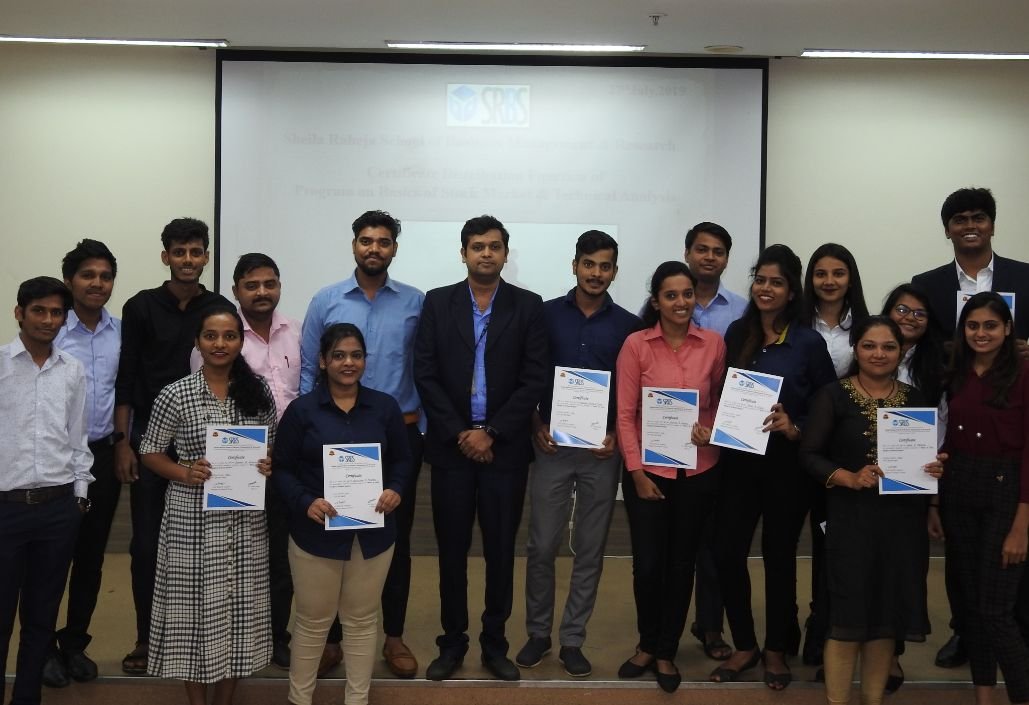
Online learning platforms offer short courses that can be completed alongside college studies from NISM, Swayam etc. Adding these certifications to a resume demonstrates that the student is committed to continuous learning and skill development.
Step 6: Develop Strong Communication Skills
Communication skills are among the most important qualities employers look for in business graduates.
Students can improve these skills through:
- Presentations in class
- Public speaking events
- Debate competitions
- Networking sessions
- Group discussions
- Competitions
Effective communication helps students’ express ideas clearly, present business strategies, and collaborate with teams. When recruiters find a candidate with good communication skills in a resume, they are more likely to trust the candidate with their professional life.
Step 7: Network With Industry Professionals
Students often underestimate networking, but it plays a crucial role in career growth. Students can associate themselves with professionals in the industry by understanding market requirements, market trends, and market opportunities.
Students can establish a network by:
- College seminars
- Alumni interactions
- Internship supervisors
- Industry workshops
- Using LinkedIn as a networking site
Students can get opportunities like internships, mentorship, and career advice through networking. Students who start building professional relationships early often have a smoother transition from college to the workplace.
Step 8: Build a Professional LinkedIn Profile
A strong resume today is often supported by a professional online presence. Creating a LinkedIn profile helps students showcase:
- Academic achievements
- Internship experience
- Certifications
- Projects and presentations
- Skills and endorsements
Students should also follow companies, engage in conversations related to industries, and get connected with professionals related to their area of interest.
Recruiters often check LinkedIn profiles along with resumes; thus, it is advisable to have a LinkedIn account.
Step 9: Keep the Resume Structured and Updated
Many students make the mistake of preparing their resume only in the final year of college.
Instead, they should start building it early and update it regularly as they gain new experiences.
A well-structured resume usually includes:
- Personal details and contact information
- Educational qualifications
- Internship experience
- Projects and research work
- Certifications and skills
- Leadership roles and extracurricular activities
Keeping the resume concise, clear, and relevant improves readability and professionalism.
Step 10: Seek Guidance and Feedback
Finally, students should seek feedback from professors, mentors, and career counsellors when building their resumes
Experienced professionals can help students:
- Identify strengths
- Highlight relevant achievements
- Improve resume formatting
- Preparation of interviews
Constructive feedback helps ensure that the resume presents the student’s potential in an effective manner.
Conclusion
Creating a good resume during college time is not a one-time activity; rather, it is a continuous process. All internships, projects, leadership roles, and certifications help in building a student’s potential.
Business students who start early, gain practical exposure, and develop relevant skills are better prepared for the competitive job market.By following a structured approach to resume building for business students, graduates can enter the workforce with confidence, clarity, and a profile that stands out to employers. For students studying at Sheila Raheja School of Business Management & Research (SRBS), this process becomes even more meaningful when supported by academic learning, practical exposure, and career-oriented development.
A strong resume does not happen overnight. It is built step by step through consistent effort, learning, and real-world experience during college years.