



Human Resources has traditionally been associated with recruitment, employee engagement, training, and workforce management. However, the modern corporate environment is rapidly changing. Organisations today increasingly depend on data to understand employees, improve productivity, and make better workforce decisions.
This shift has created a new and promising field known as HR Analytics. For students pursuing an MMS with an HR Specialization, HR Analytics opens the door to a modern and data-driven HR career.
It combines human resource knowledge with analytical thinking, allowing future HR professionals to move beyond administrative responsibilities and contribute to strategic business decisions.
As organisations adopt technology and data-based management practices, understanding HR Analytics can help management students prepare for emerging opportunities in Human Resources.
What is HR Analytics?
HR Analytics, also known as People Analytics or Workforce Analytics, refers to the use of employee and workforce data to support Human Resource decisions.
Every organisation generates significant HR-related data. Recruitment timelines, employee attendance, performance ratings, training outcomes, employee turnover, and engagement levels are only a few examples. HR Analytics helps professionals study this information, identify patterns, and make informed decisions.
For example, instead of simply noticing that employees are leaving an organisation, an HR Analytics professional may analyse data to understand the reasons behind employee turnover. The findings can then help management develop better retention strategies.
Therefore, HR Analytics is not just about numbers. It is about using data to understand people and improve organisational performance.
Why is HR Analytics Becoming Important?
Businesses operate in a highly competitive and technology-driven environment. Organisations need skilled employees, strong teams, and effective workforce strategies to achieve long-term growth.
People who work in the Human Resources department used to make decisions based on what they have seen and experienced.
They also used their judgement to make these decisions. These things are still important when it comes to making decisions about Human Resources.
Now, companies are also using the information they get from data to help them make these decisions.
Human Resources Analytics can help companies in areas including:
- Identifying recruitment trends for Human Resources
- Human Resources Analytics is really useful for Human Resources because it can help companies’ Human Resources make decisions.
- Understanding employee turnover
- Measuring employee engagement
- Evaluating training effectiveness
- Studying workforce productivity
- Supporting performance management
- Planning future talent requirements
This growing focus on data is changing the nature of the modern HR career. HR professionals are now expected to understand business objectives, interpret workforce information, and contribute to strategic planning.
Why Should MMS HR Students Learn HR Analytics?
An MMS programme helps students understand important management concepts and prepares them for different professional responsibilities. Students choosing an HR Specialization develop knowledge of recruitment, organisational behaviour, performance management, training, employee relations, and other Human Resource functions.
HR Analytics can add an analytical dimension to this knowledge.
Consider a student who understands employee engagement theories. With analytical skills, the same student may also study engagement survey data, compare employee responses, identify areas of concern, and suggest suitable HR initiatives.
Similarly, knowledge of recruitment combined with analytics can help students understand hiring costs, time-to-hire, candidate conversion rates, and recruitment efficiency.
This combination of Human Resource knowledge and analytical thinking can prepare MMS students for changing workplace requirements.
Skills Required for a Career in HR Analytics
Students do not necessarily need to become data scientists to explore HR Analytics. However, they should develop a balanced combination of HR, analytical, business, and communication skills.
1. Understanding of Human Resource Management
To do a job in Human Resource Management, you need to know a lot about it. Students should know about Human Resource Management concepts like how to find employees, keep the current employees happy, manage how well they are doing, help them learn new things, pay them fairly, and plan for the people you will need to work for your company. Human Resource Management is very important. You should understand all these things to be good at Human Resource Management. An HR Specialization can help students build this important functional foundation.
2. Analytical Thinking
HR Analytics professionals should be able to study information, identify trends, and ask relevant questions. Analytical thinking helps professionals move from simply viewing data to understanding what the data means for an organisation.
3. Excel and Data Management Skills
Microsoft Excel continues to be a useful tool for organising, analysing, and presenting business information. Students should become comfortable with spreadsheets, formulas, pivot tables, and basic data visualisation.
Knowledge of dashboards and Business Intelligence tools can further support an analytics-focused HR career.
4. Communication and Presentation Skills
Data alone cannot influence business decisions. HR professionals should be able to explain findings clearly to managers and decision-makers.
Students must learn how to convert complex information into simple observations, presentations, and practical recommendations.
5. Business Understanding
Modern HR professionals need to understand how an organisation operates. Knowledge of business objectives, costs, productivity, and organisational strategy can help HR Analytics professionals connect workforce decisions with business performance.
Career Opportunities in HR Analytics
The use of systems in human resources and planning the workforce based on data has created a lot of new job opportunities for people who have graduated with a degree in management.
Students who have studied resources and have skills in analyzing data may want to consider jobs like HR Analyst, People Analytics Analyst, Workforce Analyst, Talent Analytics Executive, HR Reporting Analyst, Compensation Analyst, and HR Business Analyst in the field of HR Analytics.
Career titles may vary across organisations and industries. However, the common requirement is the ability to understand Human Resources while working confidently with workforce information.
Students may find opportunities in consulting, technology, banking, financial services, retail, manufacturing, e-commerce, and other sectors where organisations manage large and diverse workforces.
How Can MMS Students Prepare for an HR Analytics Career?
Students interested in HR Analytics should begin developing their skills during their management education.
They can start by strengthening their understanding of core HR subjects and learning how different HR functions generate and use data. Students can also practise Excel, explore data visualisation tools, and work on simple HR-based analytical projects.
For example, students may create a dashboard to study employee turnover, analyse a sample recruitment funnel, or compare training performance data. Such projects can help them understand the practical application of analytics.
Internships, case studies, presentations, live projects, and industry interactions can also expose students to real business situations.
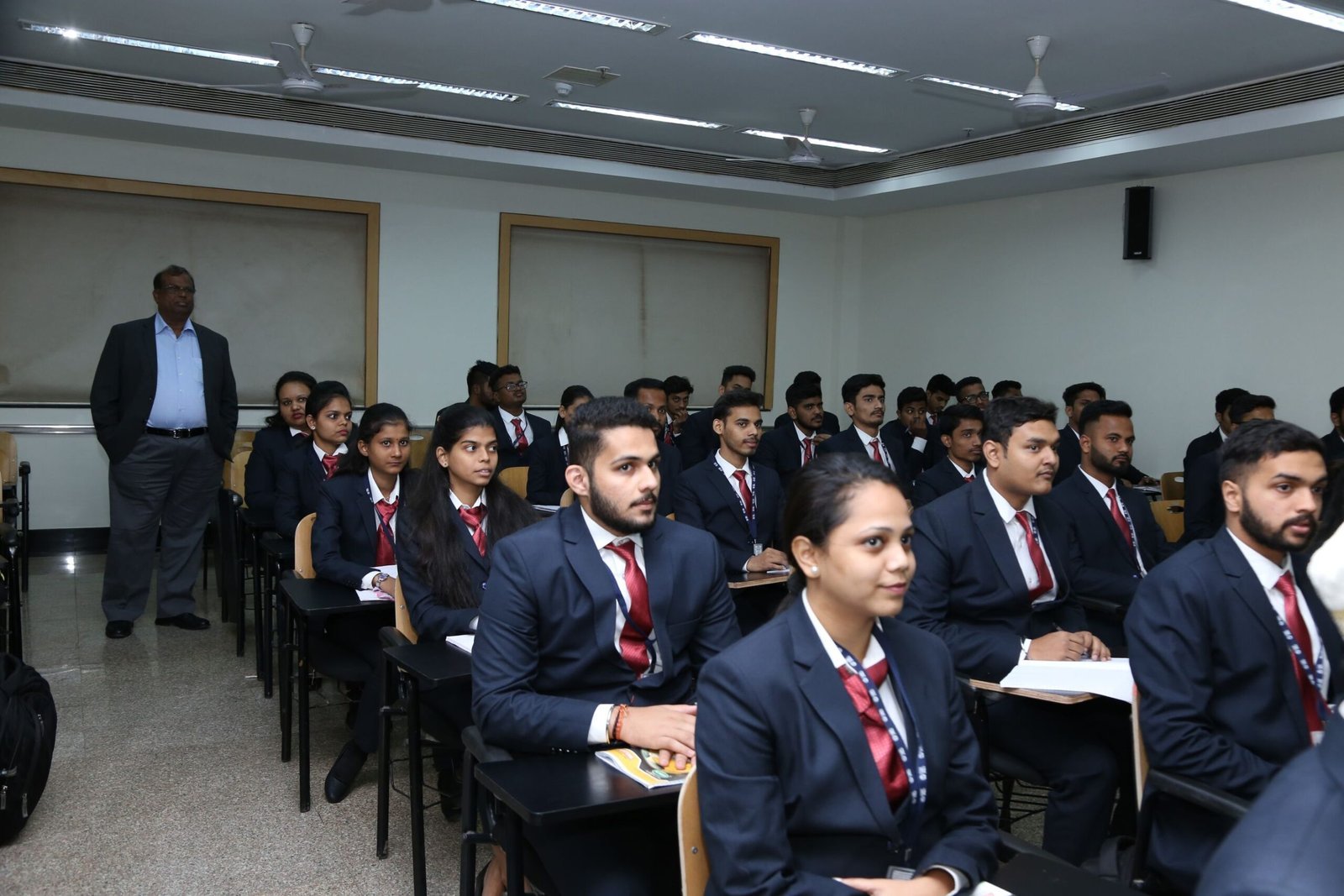
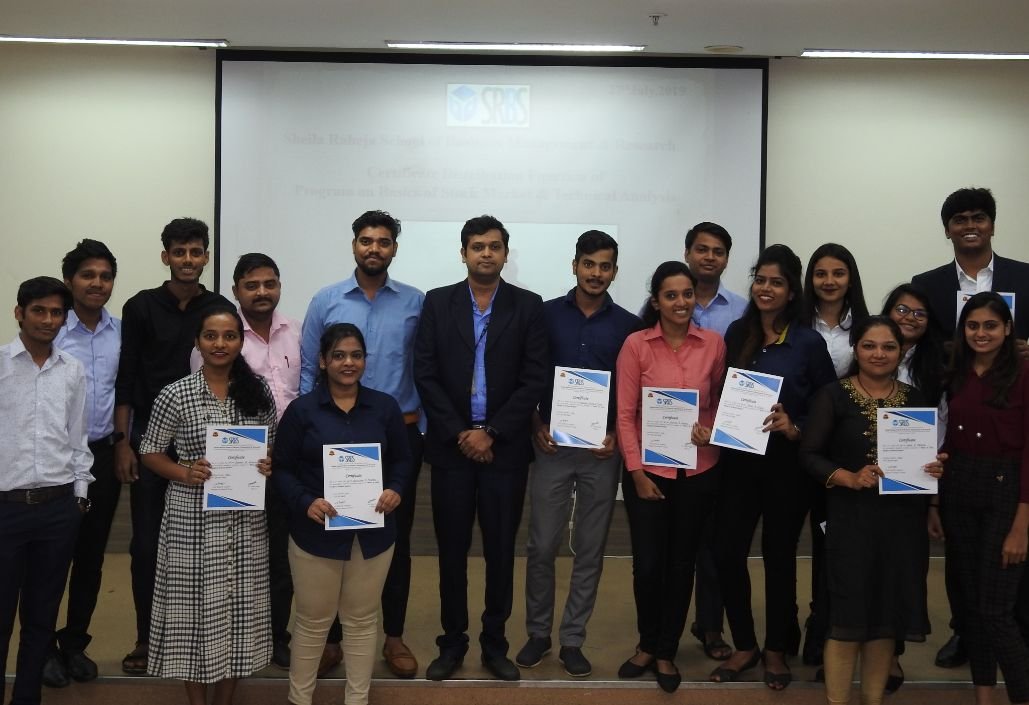
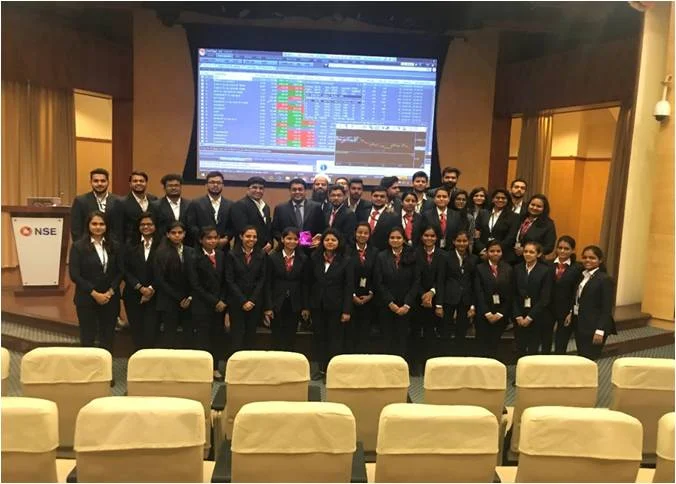
The MMS programme at Sheila Raheja School of Business Management & Research (SRBS) follows a learning approach that includes class interactions, projects, presentations, case studies, role plays, field projects, and industry-oriented exposure. Such learning experiences can help management students strengthen analytical thinking, communication, and practical business understanding.
Is HR Analytics the Future of Human Resources?
Human Resources will always remain a people-focused function. Technology and analytics are not replacing the human element of HR. Instead, they are helping professionals understand workforce challenges more clearly and make informed decisions.
The future HR professional may need to combine empathy with evidence, communication with analysis, and people management with business understanding.
For MMS students, this makes HR Analytics an interesting pathway within the broader Human Resources field. Students who develop both functional HR knowledge and analytical capabilities can prepare themselves for evolving organisational requirements.
Build a Future-Ready HR Career with the Right Management Education
Choosing an HR Specialization is not only about learning recruitment or employee management. The modern Human Resource function is becoming more strategic, technology-oriented, and data-driven.
HR Analytics represents this transformation and provides students with an opportunity to explore a new-age HR career.
At SRBS, management education focuses on developing students through academic learning and practical exposure. For students interested in Human Resources, building analytical thinking alongside core HR knowledge can be an important step towards becoming future-ready professionals.
As businesses continue to make workforce decisions based on meaningful insights, HR Analytics is likely to remain an important area for aspiring HR professionals. For MMS HR students, the journey can begin by understanding people, learning to interpret data, and developing the confidence to connect both with business strategy.