
Management education is changing faster than ever. In 2026, students entering business schools in Mumbai are not simply preparing to understand traditional theories of finance, marketing, human resources or operations. They are preparing for workplaces shaped by artificial intelligence, data, digital platforms, sustainability, and constant business transformation.
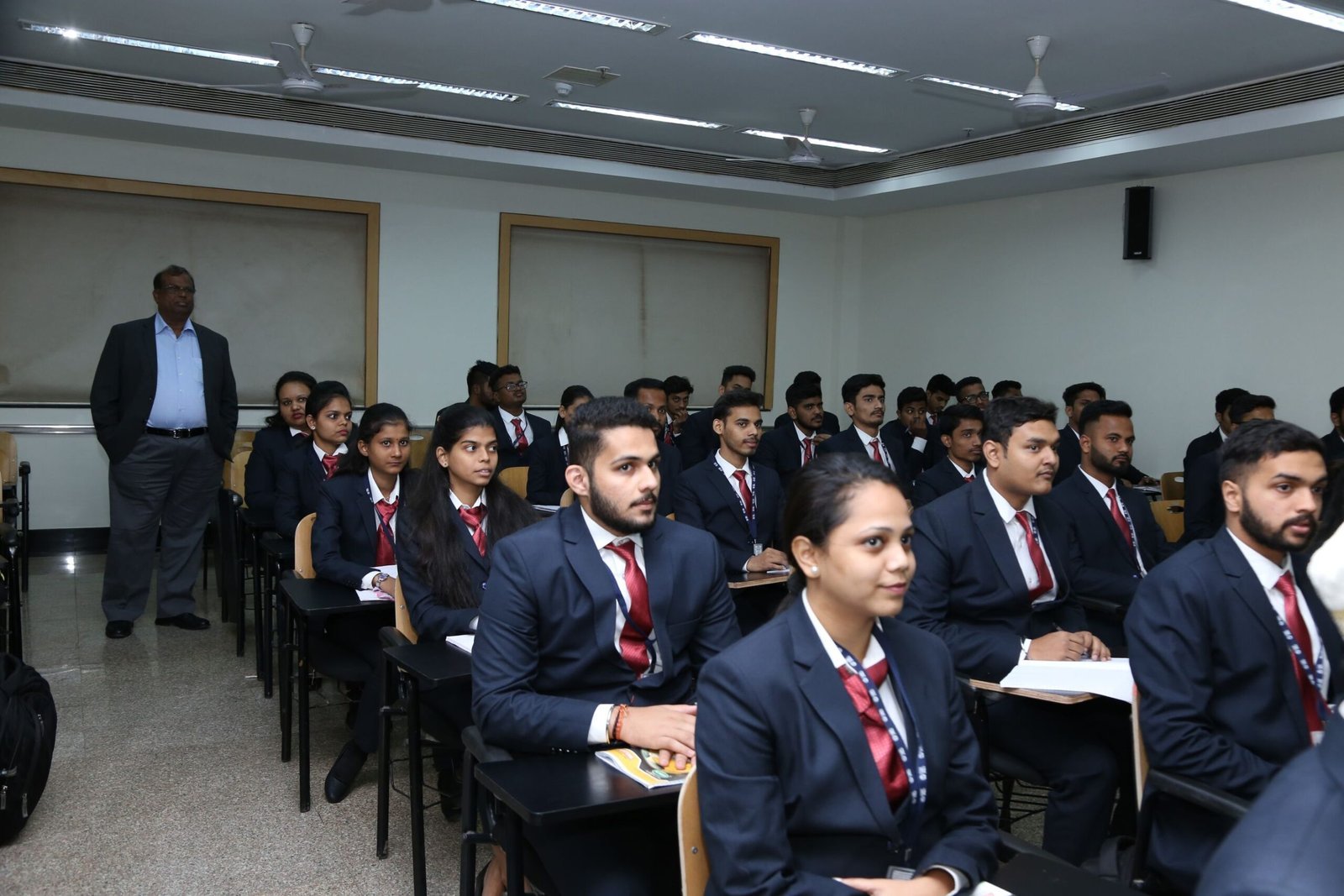
This transformation has resulted in changes in the way that management subjects are taught. The classroom environment has become more interactive; the curriculum has become more practical in nature; and students have been encouraged to relate their learning to the real business world.
At Sheila Raheja School of Business Management & Research (SRBS), emphasis is placed on grooming management professionals who can manage businesses using technology.
From Textbooks to Real-World Business Problems
Concepts become more meaningful when students see how they work in organisations.
Business schools in Mumbai are therefore placing greater emphasis on case studies, presentations, projects, simulations, discussions and industry-oriented assignments. Students can analyse how companies build brands and study financial concepts through business data and scenarios.
SRBS highlights class interactions, projects, presentations and case studies as part of its BMS teaching approach. This helps students develop communication, analytical thinking, teamwork and decision-making skills.
AI Is Becoming Part of Management Learning
Artificial intelligence is one of the most visible changes in management education in 2026. AI is no longer viewed only as a technology topic for computer science students. Managers across marketing, finance, HR, operations, and strategy increasingly need to understand how AI can support business decisions.
This is where AI in management education becomes important. Students can learn how AI tools support market research, customer insights, forecasting, recruitment, process automation and business analysis.
They also need to understand AI’s limitations, including inaccurate outputs, bias, privacy concerns, and the importance of human judgement.
SRBS’s University of Mumbai-aligned MMS curriculum reflects this direction through electives such as Artificial Intelligence & Machine Learning for Business, Predictive Analytics and Digital Innovation. This gives management students opportunities to explore technology not as an isolated subject, but as a business capability.
Data Is Changing the Way Students Think
Management decisions are increasingly influenced by data. As a result, business education is moving from simply teaching students how to interpret reports to helping them ask better questions from data.
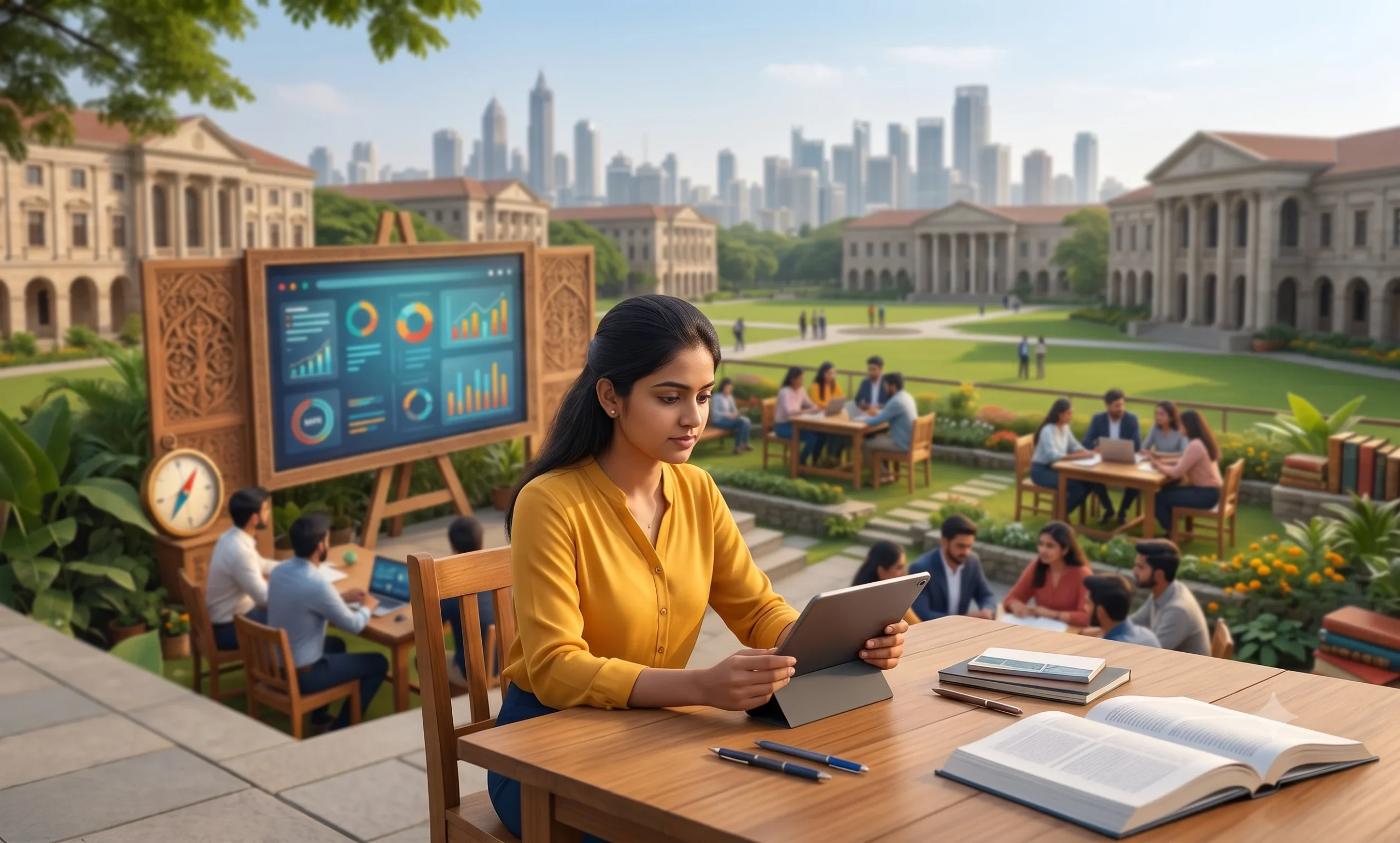
Students may work with dashboards, business metrics, market trends and predictive models. The objective is not to turn every management student into a data scientist, but to develop data-aware managers who interpret evidence, identify patterns and make informed decisions.
This is particularly relevant in Mumbai, where students encounter finance, media, retail, technology, services, manufacturing and entrepreneurship.
More Interdisciplinary Learning
Modern business problems rarely fit into one subject. A product launch may involve marketing, finance, operations, technology, consumer behaviour and human resources at the same time.
Therefore, teaching is becoming more interdisciplinary. Students are encouraged to connect concepts across specialisations and understand how different business functions influence one another.
The open-elective structure in SRBS’s MMS curriculum is an example of this approach. Students can explore subjects across areas such as talent management, sustainable finance, services management, quality management, predictive analytics, AI and digital innovation. Such exposure helps students build a broader business perspective.
Exposure in Industry Is a Greater Factor
One other crucial factor that needs to be addressed is the close connection between the classroom and the industry. The uniqueness of Mumbai lies in its industrial diversity.
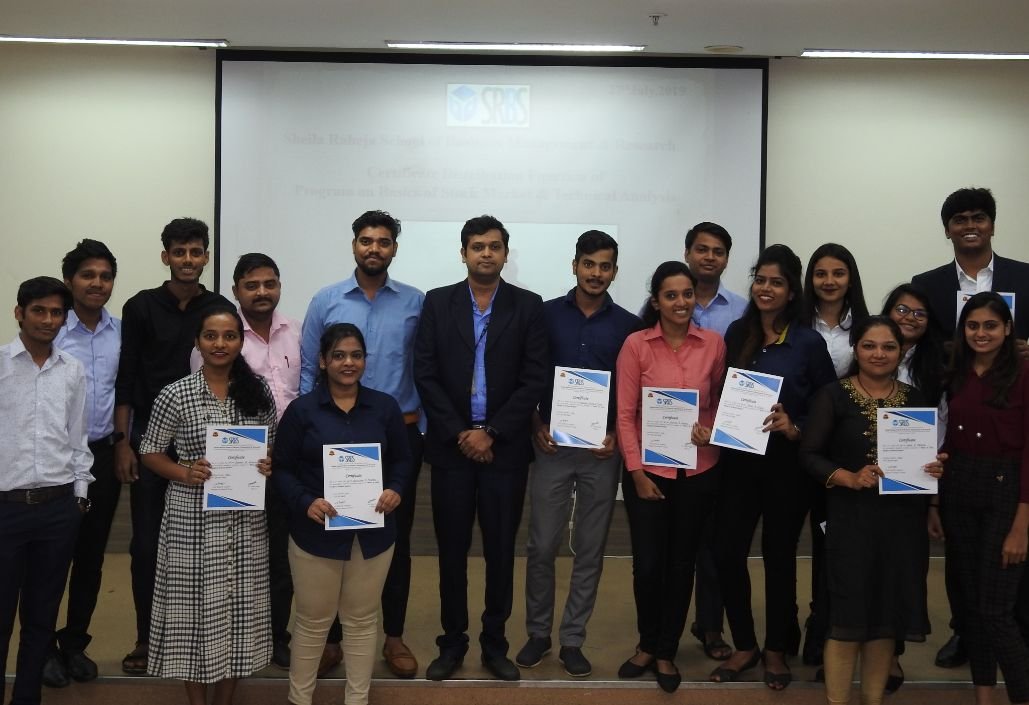
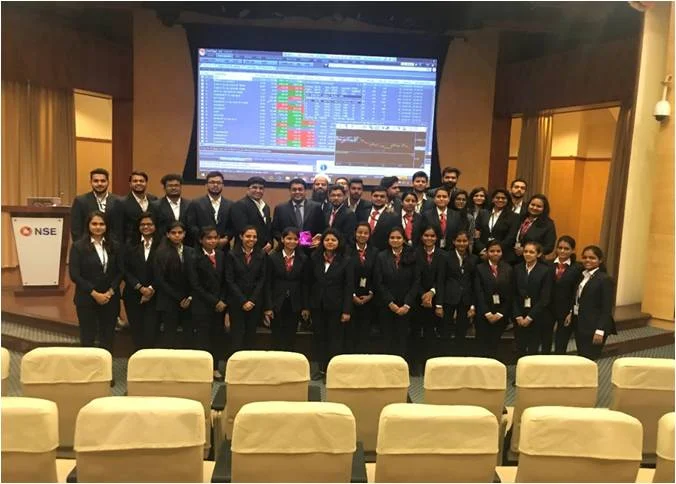
Guest sessions, master classes, internships, projects and industry interactions can help students understand management theories in real workplaces. These experiences also introduce students to professional expectations, workplace communication and practical problem-solving.
Industry exposure can make the transition from campus to career smoother. It also shows students that employers value adaptability, communication, collaboration and practical application.
Faculty Are Learning Too
Management education transformation will also demand that educators constantly keep themselves up-to-date with new developments. It is impossible to maintain a contemporary classroom for management without being in touch with the development in business and technology.
Faculty development is therefore becoming an important part of academic quality. Teachers need opportunities to explore new methods, technologies, research and industry developments.
SRBS maintains a Faculty Development Program and highlights continuous learning, research and community engagement as important aspects of its academic environment.
NEP and Flexible Learning
The New Education Policy is also influencing how management education is structured. Flexibility, multidisciplinary learning and skill development are becoming important in higher education.
SRBS’s B.Com. (Management Studies) programme follows the University of Mumbai framework under NEP 2020, reflecting the broader shift towards contemporary and flexible academic structures.
The Future Manager Needs More Than Subject Knowledge
Perhaps the most important change in 2026 is the definition of a successful management graduate. Knowing theories is still essential, but it is no longer enough.
Students need critical thinking to question assumptions, communication skills to present ideas, digital awareness to work with technology, analytical ability to interpret information and ethical judgement to make responsible decisions.
AI is capable of generating information but the managers have to choose which information to use. The data may show some patterns but the managers should know the people involved. Technology may be used to automate things but the organisation needs innovation.
This is why the future of management education is not about replacing traditional subjects. It is about teaching those subjects in a more relevant way.
What This Means for Students
For students considering business schools in Mumbai, the classroom can offer much more than conventional lectures. The strongest learning environments combine academic foundations with practical exposure, technology awareness, industry interaction and opportunities to develop professional skills.
Students should therefore look beyond course names when choosing an institute. They should explore the curriculum, teaching methods, faculty expertise, industry exposure, internships, electives, projects and opportunities for practical learning.
The changing business world demands managers who can learn, unlearn and adapt. Business schools that embrace this approach can help students prepare not only for their first job, but for careers that will continue to evolve.
In 2026, management education is becoming more connected, practical, technology-aware and future-focused. It is a shift towards practical, adaptable and confident business leadership for an evolving workplace.